What Is the 2026 Best Food Packaging Film for Global Buyers?

Time:2026-09-17 Author:Amelia
0%

Choosing the best Food Packaging Film in 2026 will not mean selecting the thinnest, cheapest, or most advertised material. Global buyers need a film that protects food during real transport conditions. Heat, humidity, freezing temperatures, rough handling, and long storage can all expose weak packaging decisions. A film that performs well in a factory may fail beside a hot loading dock. That detail matters.

Dr. Susan Selke, a respected packaging scholar, offers a useful principle: “Packaging should be judged by the total system it serves, not by material choice alone.” This view helps buyers compare barrier performance, seal strength, machinability, shelf-life protection, and end-of-life options together. A high-barrier multilayer film may reduce food waste, yet recycling pathways can remain limited. A recyclable mono-material film may simplify recovery, but it may require stricter production controls. Neither option wins automatically. That is the uncomfortable part.

The right choice depends on the product, route, equipment, and market. Fresh meat needs strong oxygen protection. Snack foods may require moisture and aroma barriers. Frozen products demand flexibility at low temperatures. Buyers should request test data, food-contact documentation, migration information, and clear quality records from suppliers. They should also examine factory consistency, not only a sample roll. Samples can flatter performance.

This guide compares leading Food Packaging Film options for global purchasing decisions. It considers technical results, environmental trade-offs, cost stability, and supplier reliability. No film is perfect. Careful buyers should question impressive claims, measure actual needs, and accept that “best” often means the most suitable compromise.
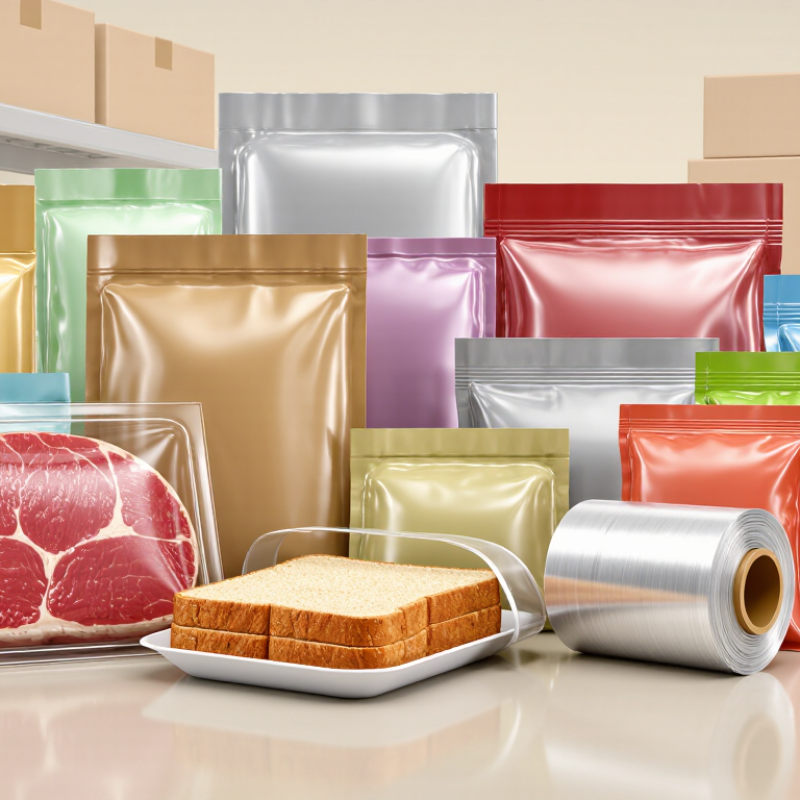
What Is the 2026 Best Food Packaging Film for Global Buyers?

What Food Packaging Film Is and Why It Matters in 2026

Food packaging film is a thin, flexible material used to wrap, seal, or protect food. It may combine plastic, paper, coatings, or bio-based layers. Its key functions are practical: blocking oxygen, moisture, light, odors, and contamination. A clear film around sliced vegetables, for example, must preserve visibility while slowing dehydration.

Why does it matter in 2026? Food waste remains enormous. The United Nations Environment Programme reported 1.05 billion tonnes of food waste in 2022. Effective packaging cannot solve this alone, but suitable barrier film can extend freshness and reduce damage during transport. The film must also match the product. High-moisture meat, dry snacks, and frozen foods require different performance levels. One solution rarely fits all.

Material efficiency is equally important. The OECD’s Global Plastics Outlook reported that packaging generated about 40% of global plastic waste in 2019. Less material can reduce waste, but thinner film may tear during loading. That choice is imperfect. Global buyers should request oxygen-transmission, water-vapor, seal-strength, and migration test results. They should also examine real recycling conditions, not only laboratory claims. A film may be technically recyclable yet unsuitable for local collection systems. In 2026, the best packaging film is the one that protects food, uses measured material, and performs reliably across its actual supply chain.

Which Film Materials Are Used for Food Packaging?

Food packaging films are selected by product risk, not appearance. Polyethylene films provide reliable heat sealing and moisture protection. Polypropylene offers stiffness and strong performance at higher filling temperatures. Polyester adds strength, clarity, and dimensional stability. Polyamide is useful when puncture resistance matters, such as with bones or sharp frozen foods. These materials are often laminated because one film rarely solves every barrier problem.

For oxygen-sensitive products, ethylene vinyl alcohol can provide strong oxygen resistance when humidity is controlled. Metallized films and aluminum foil create stronger light, oxygen, and moisture barriers. However, they may complicate recycling systems. Paper-based laminates improve shelf appearance, but paper alone usually cannot replace plastic sealing layers. Bio-based options, including PLA and PHA, are developing, though industrial composting access remains uneven. European Bioplastics and nova-Institute reported 2.18 million tonnes of global bioplastics capacity in 2023, with packaging representing about 46% of applications.

Shelf life still needs evidence. The FAO reported that 14% of food is lost between harvest and retail, excluding later waste. Proper film selection can reduce moisture loss, oxidation, and physical damage. In converting trials, seal temperature, film thickness, and filling speed often change results more than expected. Small details matter.

No material wins everywhere. A recyclable mono-material may need stronger thickness or modified barrier layers. Buyers should test seal strength, oxygen transmission, water-vapor transmission, migration compliance, and real distribution conditions. Reported sustainability claims also need careful review. A better film on paper can perform poorly in a humid warehouse.

How to Compare Safety, Barrier, and Performance Requirements

What Is the 2026 Best Food Packaging Film for Global Buyers?

The best film is not automatically the thickest, clearest, or cheapest. Compare safety, barrier, and production performance together. For food-contact safety, request a declaration of compliance, migration test results, and traceability records. Testing should match the food, temperature, storage time, and sealing process. A film suitable for dry snacks may fail with oily foods. Small details matter.

Barrier performance needs measurable targets. Review oxygen transmission rate, water vapor transmission rate, aroma retention, and light protection. In 2024, the UNEP Food Waste Index reported 1.05 billion tonnes of food waste in 2022. Effective packaging can help protect shelf life, but it cannot correct weak processing or poor storage. Smithers’ flexible packaging research also identifies downgauging, recyclable structures, and improved sealing as major development priorities through 2028. These options may reduce material use, yet thinner films can increase puncture risks. That trade-off deserves real line trials.

Tips: Ask suppliers for test results in standard units, then compare equal conditions. Test seal strength after filling, not only before production. Check performance after transport vibration and cold storage. I would also question impressive laboratory data. Factory reality is less tidy. Film selection should include machine speed, humidity, package size, and filling errors. A slightly imperfect trial often reveals the most expensive future problem.

Which Packaging Films Suit Different Food Products and Markets?

Choosing the best food packaging film in 2026 depends on the product, route, and market. No film wins every time. Fresh meat often needs strong puncture resistance, reliable sealing, and controlled oxygen transmission. Multilayer structures using polyethylene or polyamide can support these needs, especially during chilled transport. However, the correct barrier level depends on shelf-life targets and processing conditions.

Dry snacks, coffee, and powdered foods require protection from moisture, oxygen, light, or aroma loss. Metallized films can provide strong light and gas barriers, while high-barrier polymer layers may simplify some recycling plans. For oily products, seal integrity and chemical compatibility deserve close testing. A film that performs well in a laboratory may fail after vibration, heat, or repeated handling.

Market conditions change the answer. Humid regions demand moisture resistance and stable seals. Cold-chain exports need films that remain flexible at low temperatures. Markets with limited recycling infrastructure may favor simpler structures, but local rules must be checked before approval. Food-contact compliance, migration testing, print adhesion, and machine performance should be verified with qualified laboratories. That sounds simple. It is not.

Buyers should request evidence from real production trials, not only technical data sheets. Compare seal strength, oxygen transmission, water vapor transmission, puncture resistance, and end-of-life options. Compostable films may suit selected applications, but they require suitable facilities and clear disposal guidance. Cost also matters, although choosing the cheapest film can create waste through leaks, poor sealing, or shortened shelf life. There is room for better judgment here.

How Global Buyers Can Evaluate Suppliers, Costs, and Compliance

What Is the 2026 Best Food Packaging Film for Global Buyers?

How Global Buyers Can Evaluate Suppliers, Costs, and Compliance

The best food packaging film is not always the thinnest or cheapest option. Buyers should match barrier performance with the product’s real needs. Moisture-sensitive snacks may require strong water-vapor protection. Fresh foods often need suitable oxygen control and sealing performance. Film thickness, seal temperature, puncture resistance, and storage conditions should be tested with finished samples, not judged from brochures alone. Small details matter.

Supplier evaluation should include food-contact declarations, migration test reports, batch traceability, and a clear quality system. Ask whether documents match the destination market and the intended food type. Request recent certificates, production samples, and a corrective-action process. A factory audit can reveal practical issues, such as dusty storage areas or inconsistent roll edges. No checklist is perfect. We sometimes focus too heavily on certificates and miss daily process control.

Tips: Compare total landed cost, not only the quoted film price. Include resin changes, printing, minimum order quantities, freight, duties, testing, and waste. Ask suppliers to explain thickness tolerance and delivery records. Use a pilot order before committing to large volumes. Keep retained samples from each approved batch. A cheaper film may create sealing failures, product loss, or rejected shipments. That is not a saving. Also review recyclability claims carefully, because local collection systems may not support the proposed structure.

What Is the 2026 Best Food Packaging Film for Global Buyers? - How Global Buyers Can Evaluate Suppliers, Costs, and Compliance

Film Structure / Category Typical Food Applications Typical Thickness Indicative Material Cost
(USD/kg)
Barrier Performance Recycling Position Key Compliance Checks Best-Buying Scenario
Mono-PE Film
PE or PE-based high-barrier structure
Frozen foods, dry food pouches, snacks, produce bags, flow-wrap packaging 40–150 μm 1.60–3.20 Low to medium; high barrier requires coatings or compatible barrier layers Potentially recyclable in PE flexible-film systems where accepted Food-contact declaration, overall and specific migration testing, seal integrity, applicable PE design-for-recycling rules Best balance of flexible-film recyclability, moderate cost, and broad converting compatibility
Mono-PP Film
BOPP, CPP, or PP-based structure
Snack packs, bakery products, confectionery, dry foods, retortable applications with suitable grades 20–100 μm 1.70–3.40 Low to medium; improved with coatings or metallization Potentially recyclable in PP packaging streams where accepted PP food-contact compliance, seal-through-contamination testing, coefficient of friction, applicable local recycling criteria Suitable when stiffness, clarity, machinability, and PP-stream compatibility are priorities
PET/PE Laminate
Printed polyester laminated to polyethylene
Coffee, sauces, dry mixes, pet food, snacks, and general stand-up pouches 60–150 μm 2.20–4.00 Medium to high for moisture; moderate for oxygen unless enhanced Generally difficult to recycle in conventional single-polymer flexible-film systems Adhesive migration, food-contact declarations for each layer, delamination resistance, applicable extended producer responsibility rules Practical choice for strong graphics, pouch performance, and established global converting lines
Metallized PET/PE
Metallized polyester laminated to PE
Coffee, nuts, powdered beverages, chips, spices, and light-sensitive foods 70–150 μm 2.60–4.80 High moisture and light barrier; oxygen barrier depends on coating and structure Usually not compatible with standard mono-PE recycling claims unless specifically designed and accepted Metal layer suitability, migration testing, pinhole and optical-density control, recycling and labeling requirements in destination markets Best where shelf-life protection and light blocking justify a more complex structure
EVOH-Containing PE Film
PE structure with a thin EVOH oxygen-barrier layer
Fresh meat, cheese, ready meals, sauces, and oxygen-sensitive foods 50–180 μm 2.80–5.00 High oxygen barrier; performance decreases as relative humidity rises May be compatible with PE recycling when EVOH content remains within applicable design guidelines EVOH percentage, tie-layer composition, oxygen transmission rate, migration testing, recycling-design assessment Recommended when oxygen control is critical but a PE-based structure is preferred
Aluminum Foil Laminate
Plastic/foil/plastic or paper/foil/plastic structure
Retort meals, coffee, pharmaceuticals, dehydrated foods, and products requiring maximum protection 70–180 μm 3.50–6.50 Very high barrier to oxygen, moisture, light, and aroma Usually difficult to mechanically recycle because of mixed materials Retort or thermal-process validation, foil pinhole testing, seal strength, migration testing, destination-market packaging rules Best for demanding shelf-life targets where barrier performance outweighs recyclability concerns
Paper-Based Barrier Laminate
Paper with dispersion coating or polymer barrier layer
Dry foods, bakery items, tea, confectionery, and secondary food packaging 60–160 μm 2.00–4.50 Low to medium; depends strongly on coating, humidity, and seal design Recyclability depends on fiber yield, coating type, and local paper-mill acceptance Fiber-recovery testing, food-contact coating documentation, repulpability, PFAS restrictions, recycling labeling rules Useful when paper appearance, renewable-fiber content, and dry-product performance are required
Compostable PLA/PBAT Film
Biopolymer-based flexible film
Selected produce, dry foods, tea, bakery products, and short-life packaging applications 30–120 μm 3.50–7.00 Low to medium; moisture and heat resistance vary by formulation Industrial compostability only when the complete package meets the relevant standard and collection system exists EN 13432 or equivalent certification, industrial-composting conditions, food-contact compliance, claims substantiation, local labeling restrictions Appropriate only where composting infrastructure and verified end-of-life claims are available
Buyer evaluation note: The cost ranges are indicative bulk material benchmarks in USD per kilogram and can vary with resin prices, film thickness, order quantity, printing, lamination, coatings, testing, freight, tariffs, and payment terms. Before placing an order, request a technical data sheet, food-contact declaration, migration-test report, certificate of analysis, batch traceability information, and packaging-specific recycling or compostability evidence for the destination market.

FAQS

What makes a food packaging film suitable for global buyers?

The best film balances food safety, barrier protection, sealing, cost, and production performance. It is not always the thickest or cheapest option. Test it. The final choice should match the food, market, transport route, and storage conditions.

Which safety documents should buyers request?

Request a food-contact declaration, migration test results, and batch traceability records. Testing should match the food, temperature, storage time, and sealing process. Documents must fit the destination market and intended food type. Paperwork helps, but it does not replace production checks.

How should buyers compare barrier performance?

Compare oxygen transmission, water vapor transmission, aroma retention, and light protection. Use the same test conditions and standard units. A dry snack may need moisture protection, while fresh food may need oxygen control. Laboratory numbers can look excellent. Factory results may disagree.

Which films suit fresh meat and chilled foods?

Fresh meat usually needs puncture resistance, dependable seals, and controlled oxygen transmission. Some multilayer structures can support these requirements during chilled transport. Test finished packages after filling, sealing, vibration, and cold storage. Low temperatures can make some films less flexible.

What packaging features help dry snacks, coffee, and powdered foods?

These products often need protection from moisture, oxygen, light, or aroma loss. High-barrier layers may protect sensitive contents effectively. Light-sensitive products may need an opaque or metallized structure. Oily foods require extra checks for seal integrity and material compatibility.

How can buyers evaluate a packaging supplier?

Review recent certificates, production samples, quality records, and corrective-action procedures. Ask about thickness tolerance, delivery history, roll edges, and storage conditions. A factory visit may reveal dust, damaged rolls, or inconsistent handling. No checklist catches everything.

What costs should be included when comparing films?

Compare total landed cost, not only the quoted film price. Include printing, freight, duties, testing, minimum orders, resin changes, and production waste. A cheaper film may cause leaks, weak seals, or rejected shipments. That is not a saving.

Should buyers run production trials before placing large orders?

Yes. Use a pilot order with finished samples and real machine settings. Check seal strength after filling, machine speed, humidity, package size, and transport vibration. Keep retained samples from every approved batch. A slightly imperfect trial may expose an expensive future problem.

Conclusion

In 2026, Food Packaging Film is more than a protective layer: it helps preserve freshness, prevent contamination, extend shelf life, and support efficient transportation. The best choice depends on the food’s moisture, oxygen, light, temperature, and aroma sensitivity. Common material options include polyethylene, polypropylene, polyester, polyamide, paper-based structures, and multilayer films, each offering different advantages in flexibility, clarity, sealability, strength, and barrier performance.

Global buyers should compare packaging films according to product requirements, market conditions, filling equipment, storage environments, and sustainability goals. Fresh produce, frozen foods, snacks, meat, dairy, and ready-to-eat products may require different combinations of toughness, puncture resistance, heat resistance, and moisture or oxygen protection. Supplier evaluation should include material consistency, technical support, production capacity, quality control, documentation, and compliance with applicable food-contact standards. A complete cost assessment should consider not only the film price, but also transportation, processing efficiency, waste, shelf-life performance, and long-term supply reliability.


Amelia

Amelia

Amelia is a seasoned marketing professional with a wealth of expertise in our company’s core offerings. With an unwavering passion for driving growth and innovation, she plays a pivotal role in shaping our marketing strategies and enhancing brand visibility. A key aspect of her responsibilities......