The food packaging industry is evolving rapidly. In 2026, trends will heavily shape the future of Food Packaging Bag designs. David Chen, a leading expert in sustainable packaging solutions, once stated, "Innovation in food packaging is vital for both sustainability and effectiveness." His insights underline a crucial shift in consumer expectations.
Today, buyers seek not just functionality but also eco-friendliness. The Food Packaging Bag serves as a vessel that conveys quality and care. Material choices now reflect greater environmental responsibility. Companies face pressure to balance aesthetics with sustainability, often leading to trial and error in design processes.
As the industry adapts, emerging materials and technologies are influencing packaging designs. Smart features and interactive elements are becoming more common. However, these innovations must still address traditional needs such as freshness and safety. It's essential for stakeholders to reflect on the challenges these trends present while remaining committed to progress.
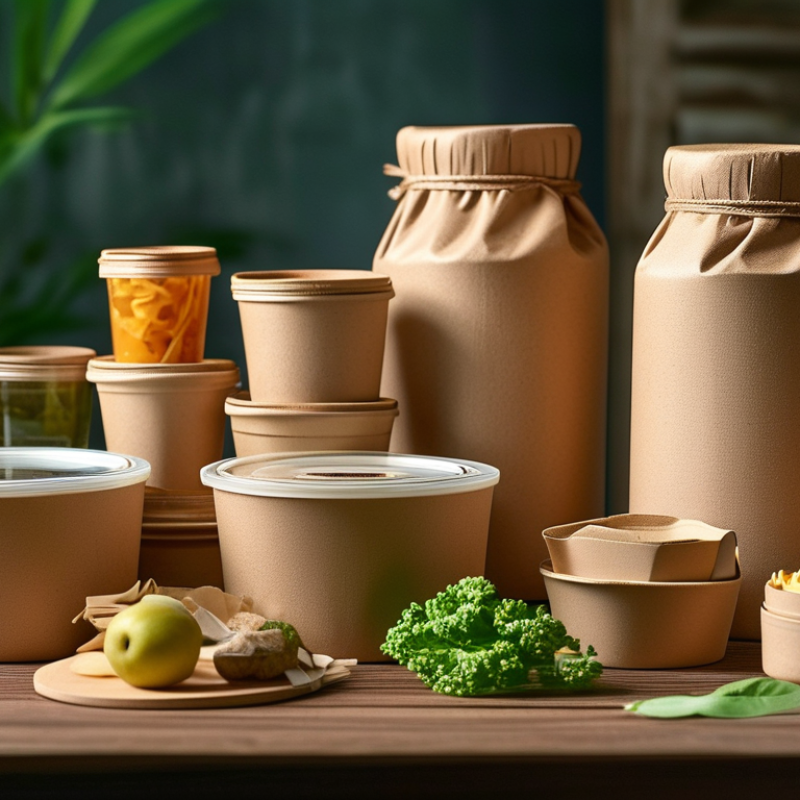
As we approach 2026, food packaging is evolving rapidly. One notable trend is the rise of sustainable materials. Many manufacturers are exploring options like biodegradable plastics and plant-based alternatives. These materials aim to reduce environmental impact significantly.
Another interesting change is the focus on multi-use packaging. Brands are now considering designs that allow consumers to reuse items. This not only benefits the planet but reshapes consumer habits. However, challenges remain in ensuring these materials remain cost-effective. Maintaining quality while embracing sustainability can be tricky for producers.
There is also an increased interest in edible packaging. This concept appeals to consumers who seek zero waste solutions. However, its practicality in mass production requires further research. While promising, the quest for more sustainable food packaging methods is ongoing. Balancing innovation with affordability remains critical for success in the industry.
| Trend | Description | Material Type | Sustainability Level | Expected Impact |
|---|---|---|---|---|
| Biodegradable Plastics | Use of plastics that can decompose naturally | PLA, PBAT | High | Reduce landfill waste |
| Recyclable Materials | Materials designed for recycling | rPET, HDPE | Moderate | Encourage circular economy |
| Compostable Packaging | Materials that can compost in industrial facilities | Starch-based, cellulose | High | Less environmental pollution |
| Edible Packaging | Packaging that can be consumed along with the product | Seaweed, milk proteins | Very High | Minimize waste |
| Smart Packaging | Packaging integrated with technology for tracking | RFID, QR codes | N/A | Improve supply chain efficiency |
: The food packaging industry is evolving due to innovative designs and consumer preferences for safety and sustainability.
Sustainable materials attract consumers who prefer biodegradable or recycled options for environmental reasons.
Sustainable materials may lack the durability or barrier properties of traditional packaging.
Well-designed packaging can improve product shelf life by up to 30%.
Consumers prioritize convenience, eco-friendliness, and easy-to-open features.
Portion control packaging appeals to health-conscious consumers managing their serving sizes.
Attractive designs and vibrant colors influence purchasing decisions on crowded shelves.
Brands need to balance functionality, sustainability, and aesthetic appeal for market success.
Not every design innovation meets consumer expectations, highlighting the need for ongoing assessment.
Certifications on labels help communicate eco-friendliness, influencing consumer trust and purchasing choices.
The article "2026 Top Food Packaging Bag Trends for Global Buyers" highlights key developments set to shape the food packaging industry in the coming years. A significant focus is on emerging sustainable materials that prioritize environmental impact, reflecting a growing consumer preference for eco-friendly options. Innovative designs and features will enhance usability and appeal, catering to evolving consumer expectations.
Furthermore, the influence of consumer trends is critical, guiding choices around aesthetics and functionality of food packaging bags. Technological advancements are also integral, paving the way for smarter and more efficient packaging solutions that maintain food safety. Finally, regulatory changes expected in 2026 will impact the production and usage of food packaging bags, ultimately leading to a more sustainable and consumer-driven market.

 TIANCHEN PRINTING