In recent years, the demand for practical and versatile storage solutions has escalated. Among these, the Zipper Bag stands out as a favorite for global buyers. Zipper Bags offer convenience for various uses, from household organization to on-the-go needs. Their sturdy design and reliable sealing mechanism make them ideal for both personal and commercial use.
However, not all Zipper Bags are created equal. Buyers must navigate a crowded market filled with options that vary in quality and purpose. It’s crucial to consider factors like material, size, and durability. Some bags are better suited for food storage, while others excel in organizing craft supplies or travel essentials.
Choosing the right Zipper Bag can be challenging. In this article, we aim to provide insights and recommendations for 2026's best Zipper Bag options. Our goal is to guide buyers in making informed decisions. Let’s explore the top choices and identify the best fits for different needs.
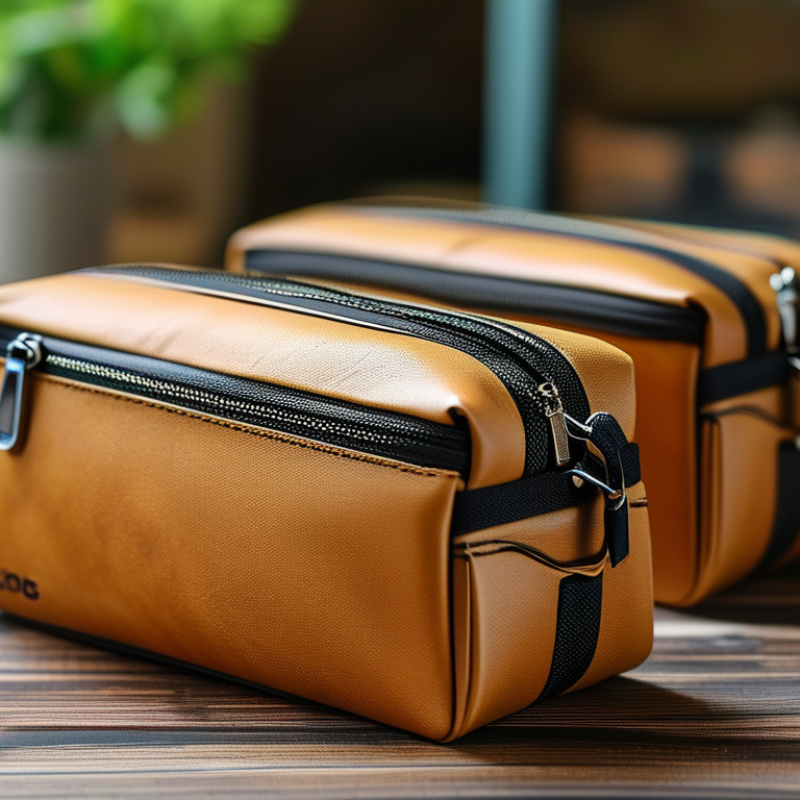
When considering zipper bags, global buyers should focus on several key features. Durability is paramount. Look for materials that resist tearing and can withstand diverse environments. A heavy-duty plastic or multi-layer design can provide extra protection for contents. Additionally, the zipper should operate smoothly, ensuring a secure seal while allowing for easy access.
Another critical aspect is size variety. Having a range of sizes available is beneficial. This flexibility can accommodate different uses, from packaging food to organizing small items. Transparent options are useful, too. They allow for quick identification of contents, saving time during busy workflows.
Lastly, eco-friendliness is gaining importance. Buyers are increasingly looking for recyclable or biodegradable materials. This reflects a broader trend toward sustainability. However, it's essential to balance this with functionality. Some biodegradable bags may lack the strength needed for heavy items. Therefore, evaluating performance alongside environmental impact is vital for making informed purchasing decisions.
Zipper bags are versatile storage solutions widely used across various sectors. These bags come in different types, each catering to specific needs. A popular option is the resealable zipper bag, known for its convenience. These bags feature a secure seal that keeps contents fresh. They are perfect for packing snacks, travel essentials, or crafting materials.
Another common type is the heavy-duty zipper bag. This option is designed for more robust usage, ideal for storing tools or outdoor gear. Heavy-duty bags prevent punctures and tears, providing reliability in challenging environments. Users often find them useful for organizing items in garages or at job sites.
There are also smaller zipper bags, which are suitable for delicate items like jewelry or office supplies. While their size limits their capacity, they offer excellent organization. On the downside, small bags can easily get lost among larger items. Exploring various zipper bag types allows users to find the perfect match for their needs. Each option has advantages and drawbacks, leading to thoughtful choices based on individual requirements.
As eco-conscious consumers become more prominent, the demand for sustainable zipper bags is rising. These bags offer a practical alternative for packaging while minimizing environmental impact. They are made from recycled materials or bio-based substances, reducing the reliance on traditional plastics. Additionally, many are designed for reuse, further promoting sustainability.
When selecting sustainable zipper bags, consider their lifecycle. Choose products that are durable and can be used multiple times before disposal. Look for options that not only serve their purpose but can decompose naturally at the end of their life. However, not all bags marketed as sustainable meet these criteria. It’s essential to research and verify the claims made by manufacturers, ensuring transparency in their environmental practices.
The challenge remains in balancing convenience and sustainability. Some may find it difficult to transition from conventional options to greener alternatives. Yet, every small effort contributes to a larger positive impact. Educating oneself on material sources and production methods helps in making informed choices. Reflecting on one’s consumption habits is key in the journey toward a more sustainable lifestyle.
When considering zipper bags, the price can significantly influence your choice. Affordable zipper bags lure many buyers with their low prices. However, it's essential to assess their durability and usability. Often, cheaper options may not provide adequate sealing or tear resistance. Frequent replacement due to poor quality can lead to higher long-term costs, ultimately negating any initial savings.
On the other hand, premium zipper bags come at a higher price but often guarantee better performance. These bags tend to be sturdier and offer superior storage solutions, particularly for food and sensitive items. They may include features like reinforced seals or BPA-free materials that enhance safety and usability. Investing in these quality options can be wise for specific needs.
Consider your specific requirements when choosing between affordable and premium zipper bags. Think about what items you'll store and how often you'll use the bags. If you need them for daily use, premium options might serve you better. Always read reviews before purchasing. These insights can guide your decision and help identify patterns in quality across different products.
In 2026, global buyers will prioritize quality when selecting zipper bags. Industry reports indicate that the demand for durable packaging solutions is increasing. Research from MarketsandMarkets highlights a projected growth rate of 4.2% in the zipper bag market. Quality materials are crucial in this competitive landscape.
Prominent international brands focus on sustainability and usability. Many manufacturers are investing in eco-friendly materials. This shift caters to consumer preferences, especially among environmentally conscious buyers. However, not all brands meet these rising expectations. Some may lack transparency about their product sourcing or manufacturing practices.
Furthermore, while cost remains a critical factor, quality should never be compromised. Inconsistent quality control in manufacturing can lead to subpar products. Buyers must remain vigilant. They should seek suppliers with a strong track record of reliability and quality assurance. Monitoring feedback from industry peers can provide valuable insights into potential suppliers.
: Focus on durability, size variety, and smooth zippers. These features enhance functionality and accessibility.
Durable bags resist tearing and protect contents. This is crucial for diverse environments and heavy usage.
Yes, popular types include resealable, heavy-duty, and smaller bags for specific needs like snacks or tools.
Eco-friendly bags are made from recycled or biodegradable materials. They aim to reduce environmental impact.
Evaluate their lifecycle, durability, and whether they can decompose naturally after use for effective sustainability.
Yes, but their small size can lead to misplacement. They are great for delicate items like jewelry.
Transitioning can be difficult. Some may struggle with convenience versus sustainability, needing to adjust habits.
Research manufacturers and assess their practices. Look for transparency and evidence supporting their claims.
Some may lack the strength needed for heavy items. Balancing functionality with sustainability is crucial.
Reflect on consumption habits and choose durable, reusable bags. Small changes can lead to a larger positive impact.
The article "2026 Best Zipper Bag Options for Global Buyers to Consider" provides a comprehensive guide for consumers seeking high-quality zipper bags. It highlights the essential features to look for, such as durability, ease of use, and versatility, which are crucial for buyers globally. The article categorizes popular types of zipper bags, from resealable options to specialty designs, ensuring readers can make informed choices based on their needs.
Moreover, it emphasizes sustainable choices, showcasing eco-friendly zipper bag options that appeal to environmentally conscious consumers. A price comparison between affordable and premium varieties is included, allowing buyers to weigh their options against their budgets. Finally, the article reviews some of the best international brands known for their quality in the zipper bag market in 2026, providing readers with trustworthy recommendations for various uses.

TIANCHEN PRINTING