Top China Packaging Bags for Global Buyers What to Know?

Time:2026-08-23 Author:Ethan
0%

China is a leading player in the global packaging industry, particularly in the production of packaging bags. According to a recent report by Research and Markets, the global packaging bags market is expected to reach USD 29.6 billion by 2025, driven by the rising demand from various sectors, including food and beverage, pharmaceuticals, and e-commerce. Packaging bags are essential in ensuring product safety, enhancing shelf life, and attracting consumer attention.

The versatility of packaging bags makes them crucial for businesses. Various materials, such as plastic, paper, and biodegradable options, cater to different market needs. For instance, in 2022, approximately 25% of the packaging bags produced in China were made from biodegradable materials, highlighting a shift towards sustainability. However, it is important to consider that not all manufacturers adhere to the same quality standards, which can lead to inconsistencies.

Global buyers should be cautious. Understanding the nuances of packaging bags, such as material properties and production processes, is vital. Collaborating with reliable suppliers can mitigate risks associated with quality and compliance. As the market evolves, staying informed about trends and regulations will empower buyers to make better decisions, ensuring their products stand out in a competitive landscape.
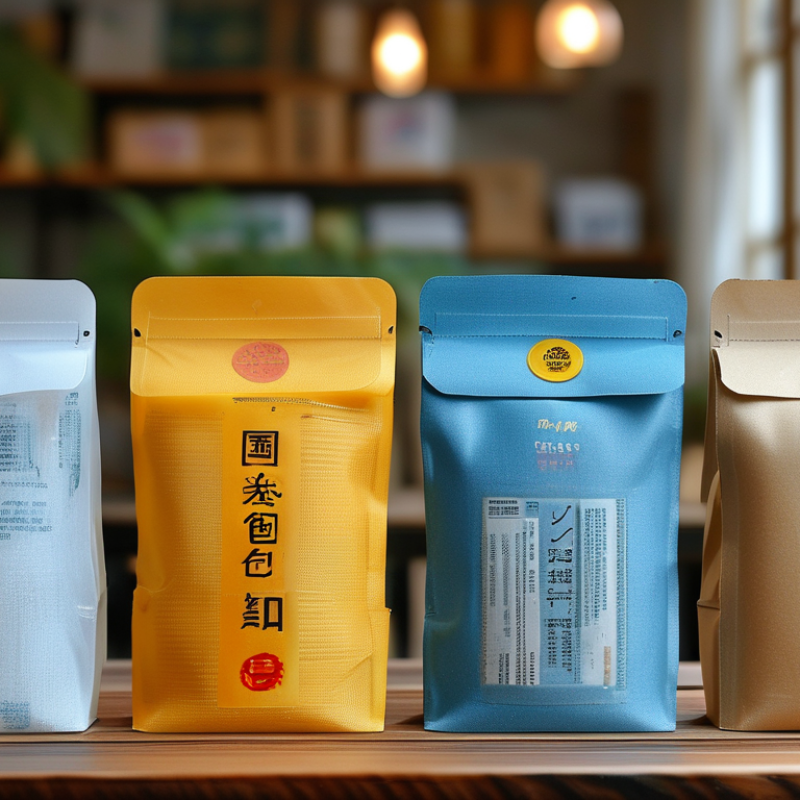
Top China Packaging Bags for Global Buyers What to Know?

Top China Packaging Bags: An Overview of Market Trends and Demand

The packaging bags market in China is rapidly evolving. Buyers from around the globe are seeking innovative solutions. This shift is driven by sustainability and consumer preferences. Many companies are adopting eco-friendly materials. Biodegradable and recyclable options are becoming more important. This change reflects an increased awareness of environmental issues.

In addition to eco-friendliness, customization is key. Brands want packaging that tells their story. Unique designs can attract more customers. This trend is evident across multiple sectors, including food, cosmetics, and e-commerce. However, not all suppliers can meet these demands. Ensure quality and reliability when choosing a partner. Quality assurance practices are often inconsistent, leading to potential issues.

Emerging technologies also play a vital role. Advanced printing techniques and smart packaging are on the rise. These innovations enhance functionality and aesthetic appeal. However, the investment in technology can vary widely among manufacturers. Attention to detail is crucial in evaluating suppliers. Market dynamics constantly shift, and staying informed is essential for global buyers.

Key Manufacturing Techniques in China’s Packaging Bag Industry

China's packaging bag industry has grown significantly, driven by various manufacturing techniques. Understanding these methods can aid global buyers in sourcing the best products. One popular technique is blown film extrusion. This process creates flexible packaging by melting polymer pellets. The molten plastic is then blown into a thin tube, which cools and solidifies. This method is efficient for producing large volumes of bags quickly.

Another key technique is lamination. This process combines multiple layers of materials to enhance strength and durability. Laminated bags often exhibit superior moisture resistance. They are ideal for food and pharmaceutical products. However, the lamination process can be resource-intensive and requires careful management to reduce waste.

Additionally, printing plays a crucial role in packaging bags. Flexographic and gravure printing methods are common. These techniques allow for high-quality graphics and logos on bags. However, achieving color accuracy can be challenging, often requiring adjustments and quality checks. Buyers should be prepared for potential discrepancies during production. Understanding these manufacturing processes equips global buyers with the knowledge to make informed decisions in China's vibrant packaging market.

Environmental Impact and Sustainability Practices in Packaging Bags

The environmental impact of packaging bags is a growing concern. Many consumers are becoming more aware of how packaging contributes to pollution. Plastic bags often end up in landfills and oceans, harming wildlife and ecosystems. Sustainable alternatives are more crucial than ever.

Recyclable and biodegradable packaging options are gaining popularity. Bioplastic bags made from natural materials reduce the carbon footprint. They decompose more efficiently than traditional plastics. However, challenges remain in consumer awareness and proper recycling practices. Many people still do not know how to dispose of packaging correctly.

Sustainability in packaging is not just about materials. It also involves energy consumption during production and transportation. Organizations must evaluate their entire supply chain. Improving energy efficiency is essential for reducing overall impact. Industry leaders should collaborate to develop innovative solutions. Real change requires commitment and continuous reflection on practices.

Top Materials Used in China’s Packaging Bags: Properties and Trends

China has become a leader in packaging bag production. Understanding the top materials used can help global buyers make informed decisions. Common materials include polyethylene (PE), polypropylene (PP), and paper. Each has unique properties that cater to various needs.

PE is waterproof and flexible, making it ideal for food packaging. PP offers excellent strength and resistance to chemicals. On the other hand, paper is biodegradable and recyclable but may lack some durability in moist conditions. Trends show a growing interest in eco-friendly materials. Consumers are increasingly aware of sustainability. This shift may require adjustments in sourcing strategies.

Buyers should also consider the manufacturing process and quality control. Some suppliers may compromise on quality to reduce costs, resulting in unreliable products. It’s essential to vet suppliers carefully. While many offer competitive pricing, not all adhere to the same quality standards. A thorough evaluation process can help mitigate risks associated with subpar materials.

Global Sourcing Considerations for Importing Chinese Packaging Bags

When importing packaging bags from China, several factors require careful consideration. First, understanding material types is crucial. Polyethylene and polypropylene are common materials used in packaging bags. These materials offer versatility and durability, making them ideal for a range of products. According to a 2022 report by Smithers Pira, the global flexible packaging market is projected to reach $300 billion by 2024. This growth highlights the demand for high-quality packaging solutions.

Quality control remains a significant concern. Buyers should request samples to evaluate the products before placing bulk orders. It's essential to verify compliance with international quality standards, such as ISO 9001. Lack of rigorous quality checks can lead to unsatisfactory products, resulting in financial losses. A survey by Packaging Strategies revealed that 23% of companies reported issues with product quality from Asian suppliers.

Cultural differences can impact negotiations and logistics. Time zones and language barriers may lead to miscommunication. Importers should invest in building relationships with suppliers to foster cooperation. Engaging with local experts or consultants can provide insights into regional practices. Effective sourcing requires a proactive approach, and addressing these complexities is vital for successful importation.

FAQS

: What manufacturing technique is popular in China's packaging bag industry?

: Blown film extrusion is a widely used technique. It melts polymer pellets to create flexible packaging.

Why is lamination important in packaging bags?

Lamination enhances strength and moisture resistance. It's ideal for food and pharmaceutical products.

What are common printing methods in packaging?

Flexographic and gravure printing are popular. They produce high-quality graphics but can have color accuracy issues.

What materials are commonly used in packaging bags?

Polyethylene and polypropylene are standard materials. They offer versatility and durability for various products.

How can buyers ensure product quality when importing?

Request samples and verify compliance with quality standards. Not doing so can lead to financial losses.

What cultural considerations should importers keep in mind?

Time zones and language barriers can cause miscommunication. Building relationships with suppliers is essential.

What challenges might arise during negotiations?

Cultural differences can complicate discussions. It’s important to be proactive and address potential misunderstandings.

Why is quality control a concern with Asian suppliers?

A survey revealed that many companies reported quality issues. Rigorous checks can help avoid these problems.

How can engaging local experts benefit importers?

Local consultants offer insights into regional practices. This knowledge can improve sourcing effectiveness.

What should buyers be prepared for during production?

There may be discrepancies in color accuracy. It’s critical to have quality checks in place.

Conclusion

The article "Top China Packaging Bags for Global Buyers: What to Know?" offers a comprehensive overview of the packaging bag market in China, highlighting key trends and demand dynamics. It emphasizes the importance of innovative manufacturing techniques that drive efficiency and quality in the production of packaging bags. Additionally, the piece addresses the environmental impact and sustainability practices being adopted in the industry, reflecting a growing awareness of eco-friendly solutions.

Moreover, the article explores the variety of materials used in packaging bags, discussing their properties and market trends. This insight is crucial for global buyers considering the quality and functionality of packaging solutions. Finally, the article outlines essential global sourcing considerations for importing Chinese packaging bags, providing valuable information for businesses looking to navigate the complexities of international procurement.


Ethan

Ethan

Ethan is a seasoned marketing professional with a deep expertise in our company's innovative product line. With a passion for sharing knowledge and insights, he takes the lead in regularly updating our corporate blog, where he explores industry trends, product features, and effective marketing......