Choosing the right Food Package Bag is not a cosmetic decision. It affects freshness, safety, transport, storage, and customer trust.
Gordon L. Robertson, author of Food Packaging: Principles and Practice, stated, “Packaging is a means of ensuring the safe delivery of products in sound condition to the final consumer.” This principle remains practical today. A bag for roasted coffee needs strong oxygen and moisture barriers. A frozen vegetable pouch needs flexibility at low temperatures. A greasy snack may require an inner layer that resists oil migration. The product comes first.
Look closely at the filling process. Will the bag face heat, pressure, sharp edges, or repeated handling? Check seal strength, film thickness, barrier performance, and compatibility with food contact requirements. A beautiful package can still fail beside a hot sealing jaw. Small tears matter. Weak seals matter more.
Sustainability also needs careful judgment. A thinner bag may reduce material use, but it could spoil food sooner. That creates a larger environmental cost. Recyclable claims need evidence, not attractive wording. Ask suppliers for test reports, migration information, traceability records, and realistic storage data.
There is no universal best bag. Sometimes the cheapest option works. Sometimes it becomes expensive through leakage, waste, or complaints. I have seen packaging decisions focus too heavily on appearance. That is a mistake worth reconsidering.
The right choice balances protection, usability, compliance, cost, and environmental impact. Test the bag with the actual food, under actual conditions, before approving large-scale production.
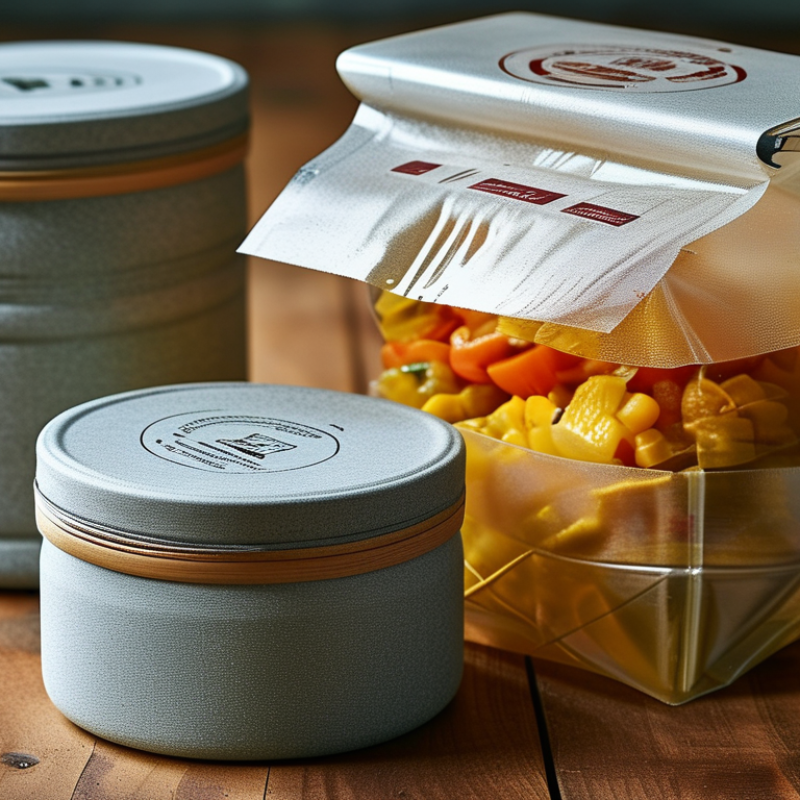
Choosing the right food package bag starts with the product, not its appearance. Identify the food’s packaging requirements before comparing materials or sizes. A dry powder may need strong moisture protection. Oily foods require resistance to grease and staining. Fresh produce may need controlled airflow. Ask how much oxygen, light, moisture, and aroma the product can tolerate. Small details matter.
The bag must also match the filling and storage process. Measure the product’s weight, density, and portion size carefully. Check whether the package will face heat, freezing, pressure, or rough transport. Seal strength is critical. A small wrinkle near the seal can create a hidden leak. During practical trials, test filled bags instead of empty samples. Empty bags often look perfect. Real products behave differently.
Food-contact suitability, labeling space, and local regulatory requirements need review before purchase. Request material specifications, test reports, and traceability documents from the supplier. Do not rely only on a general statement such as “food safe.” The bag should also support readable information, including ingredients, allergens, weight, and storage instructions. I once underestimated how much label space a small package needed. That mistake affected both appearance and usability. A second review with production and quality teams can reveal problems early.
| Food Product Type | Main Packaging Risks | Moisture Barrier | Oxygen Barrier | Light Protection | Recommended Bag Structure | Important Design Features |
|---|---|---|---|---|---|---|
| Potato Chips and Fried Snacks | Loss of crispness, oxidation of oils, light-induced flavor changes | Very high | High; nitrogen flushing is commonly used | High, especially for products containing sensitive oils | Multilayer film with a high-barrier polymer or metallized layer | Strong heat seals, adequate headspace, puncture resistance, and protection from compression |
| Coffee Beans and Ground Coffee | Oxygen exposure, aroma loss, carbon dioxide accumulation, moisture ingress | High | Very high; one-way degassing valve may be required for freshly roasted coffee | Medium to high | High-barrier multilayer laminate, often with a metalized or foil barrier | One-way valve, hermetic seal, low residual oxygen, and abrasion-resistant outer layer |
| Nuts and Seeds | Rancidity, moisture absorption, insect contamination, flavor loss | High | High because of the natural oil content | Medium to high | High-barrier polyethylene-based laminate or metallized laminate | Reliable zipper, strong top seal, puncture resistance, and optional gas flushing |
| Flour, Sugar, and Dry Powders | Clumping, moisture absorption, dust leakage, seal contamination | High | Low to medium, depending on fat content and shelf-life target | Usually low; higher for light-sensitive ingredients | Polyethylene-based film or multilayer laminate with a moisture-resistant sealant layer | Wide seal area, clean-seal performance, anti-static options, and tear-open feature |
| Dried Fruit | Moisture migration, stickiness, browning, oxidation, and flavor changes | High | Medium to high | Medium; high for products sensitive to color changes | High-barrier laminate or suitable mono-material high-barrier film | Resealable zipper, strong seals, sufficient headspace, and easy dispensing |
| Frozen Vegetables and Frozen Foods | Freezer burn, brittle packaging, seal failure, puncture during handling | High | Medium | Usually low to medium | Freezer-grade polyethylene film or multilayer flexible film | Low-temperature flexibility, impact resistance, leak-proof seals, and clear storage instructions |
| Fresh-Cut Produce and Salad | Condensation, dehydration, microbial growth, and shortened freshness | Balanced; excessive moisture retention can be harmful | Controlled rather than maximum; fresh produce requires gas exchange | Usually low | Perforated or breathable film selected for the produce respiration rate | Ventilation, anti-fog performance, refrigeration compatibility, and clear visibility |
| Liquid Sauces and Condiments | Leakage, chemical interaction, seal contamination, and panel distortion | Very high | Medium to high after filling, depending on formulation | Medium for color- or flavor-sensitive products | Liquid-compatible multilayer film with a chemically resistant sealant layer | Leak-proof seals, rounded corners, spout or fitment compatibility, and drop resistance |
| Ready-to-Eat Retort Meals | High-temperature processing, delamination, puncture, and seal failure | Very high | Very high for shelf-stable products | High when the product is light-sensitive | Retort-rated multilayer laminate with a heat-resistant sealant layer | Validated retort performance, strong seals, controlled filling volume, and easy-open notch |
| Bread and Bakery Products | Staling, mold growth, crushing, moisture loss, and aroma loss | Medium to high, depending on product moisture | Medium; higher for products with fats or extended shelf life | Usually low | Polyethylene or polypropylene-based film; breathable film may be used for selected products | Appropriate ventilation, seal integrity, soft handling, and resistance to grease migration |
| Pet Food and Animal Treats | Oxidation of fats, moisture gain, odor loss, puncture, and pest contamination | High | High for products containing animal fats or oils | Medium | Heavy-duty multilayer laminate or durable high-barrier mono-material film | Puncture resistance, resealable zipper, odor retention, and strong carrying handles for large bags |
Start with the food, not the shelf appearance. Identify its sensitivity to oxygen, light, moisture, grease, and aroma. Small details matter.
Dry powders often need strong moisture protection. Oily foods need grease resistance and surfaces that resist staining. Check both during storage tests.
Compare oxygen transmission, water vapor transmission, light protection, puncture resistance, and seal strength. Do not choose the strongest barrier automatically.
Not always. Fresh produce may need controlled airflow and gas exchange. A nearly airtight pouch can reduce quality instead of protecting it.
Fill real bags with the actual product. Check seals, leaks, wrinkles, punctures, stacking, temperature changes, and transport movement. Empty samples can mislead.
Request material specifications, food-contact documents, migration tests, odor tests, seal-strength data, and traceability records. “Food safe” alone is too general.
Reserve space for ingredients, allergens, weight, storage instructions, and other required information. Small packages often need more planning than expected.
No. Less material may reduce waste, but punctures can increase product loss. Check local recovery options and the bag’s real storage performance.
Test heat, cold, moisture, stacking pressure, filling impact, and rough transport. Leave suitable headspace. I once trusted strong film too much; poor seals caused the failures.
Production and quality teams should review filled samples, documents, labels, and storage results together. A second review can expose overlooked problems.
Choosing the right Food Package Bag begins with understanding the product’s specific packaging requirements, including moisture, oxygen, light, temperature, and durability needs. Different foods may require different food-grade materials and barrier properties to preserve freshness, prevent contamination, and extend shelf life. The bag’s structure should also match the product’s weight, shape, and filling process, while the size and closure system should provide convenience, security, and reliable sealing during transportation and storage.
A complete evaluation should consider safety, sustainability, and storage performance. Select materials that are suitable for food contact, responsibly produced, and practical for the intended distribution environment. It is also important to assess the supplier’s quality controls, compliance documentation, production consistency, and ability to provide customized solutions. Finally, compare the total cost, including materials, printing, logistics, storage, and potential waste, rather than focusing only on the initial purchase price.

 TIANCHEN PRINTING